Corporate programme
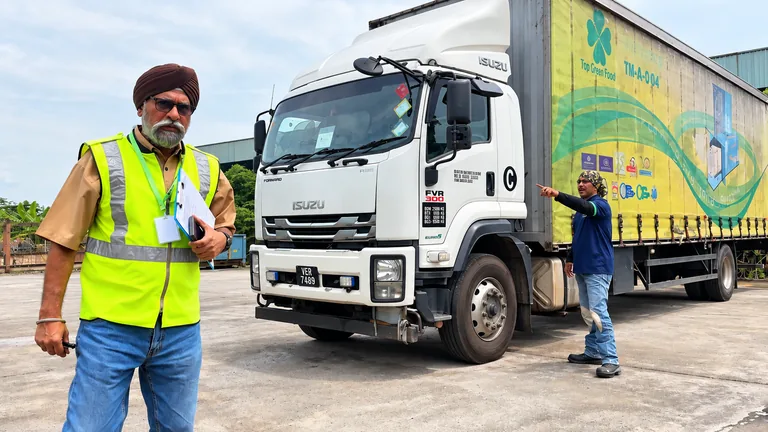
Employees who drive for work face road risks that also affect the organisation. Driver behaviour, hazard awareness, journey preparation and everyday decisions all influence road safety. Forgenz’s Defensive Driving Training helps drivers recognise risks earlier and make safer decisions on the road.
Programme overview
The programme connects road-safety principles with the journeys employees make for work. It can help drivers think more carefully about personal readiness, vehicle condition, changing road conditions and the decisions they make before and during a journey.
Final programme details, duration and practical components will be confirmed in the proposal.
Why it matters
Work-related driving is shaped by the driver, the vehicle, the journey and the road conditions encountered each day.
Recognise that driving for work creates risk for employees and the organisation.
Improve attention to changing road conditions and developing hazards.
Focus on everyday choices that may reduce avoidable risk.
Connect the training with vehicle use and typical work journeys.
Learning outcomes
Check driver, vehicle and journey readiness before travelling.
Identify hazards and changing road conditions earlier.
Make safer decisions around speed, space, positioning and response.
Understand how everyday driving behaviour affects road risk.
Programme content
The learning can be shaped around the people who drive, the vehicles used and the journeys they make for work.
Examine how attention, habits, judgement and everyday choices can affect road risk.
Practise noticing developing hazards and changing road conditions earlier.
Consider route, timing, fatigue, weather and other factors before travelling.
Review pre-journey checks and the need to report vehicle concerns.
Connect speed, space, visibility, positioning and other road users with safer decisions.
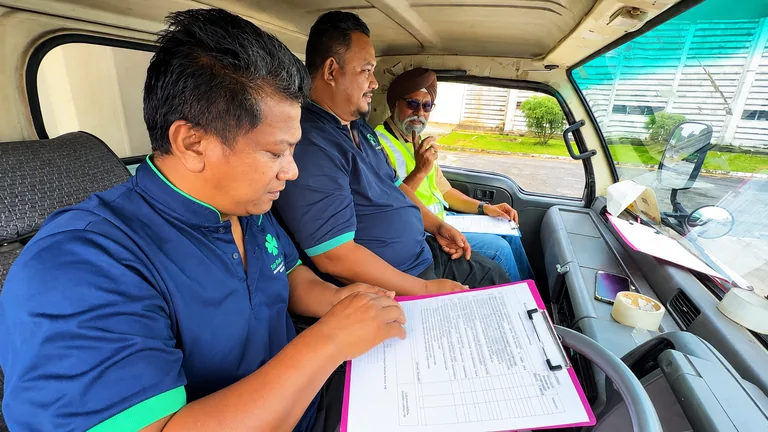
A practical component may be included when suitable vehicles, location and safety arrangements are available.
Delivery
Training may combine explanation, road-hazard scenarios, journey planning, vehicle-readiness review and practical driving.
Programme planning
The programme should reflect the real driving conditions and journey patterns employees face. Tell us who drives for your organisation, the types of vehicles used, typical journey patterns and whether you are considering classroom or practical training.
Understand who drives, their responsibilities and their experience.
Consider vehicle types, common routes, schedules and journey patterns.
Confirm vehicles, location and safety arrangements if practical driving is being considered.
FAQ
Company drivers, field teams, sales employees, fleet personnel and others who drive as part of their work may benefit.
Yes. Vehicle use, journey patterns and the organisation’s training needs can help shape the programme.
Not automatically. Practical driving depends on the programme, vehicles, location and safety arrangements.
No. The programme does not replace legal licensing requirements or the organisation’s driver authorisation.
Vehicle-readiness and pre-journey checks can be included when they form part of the selected programme.
Share who drives, vehicle types, common journeys, estimated numbers, location and whether practical driving is required.
HRD Corp levy support for eligible employers and applicable programmes, subject to HRD Corp requirements.
Tell us who drives for work, the vehicles they use and the journeys or road risks you want the training to address.