Corporate programme
Forklift safety involves more than knowing how to drive the equipment. Operators need to understand workplace hazards, equipment checks, load handling, pedestrian risks and safe operating practices.
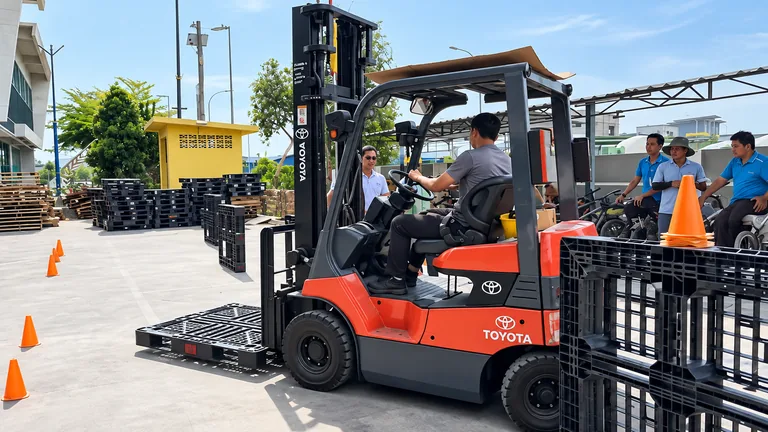
Programme overview
Forklift work is affected by the equipment, traffic routes, loads, visibility, surfaces and people nearby. The programme helps participants look beyond vehicle control and understand how everyday operating decisions affect safety across the workplace.
Final practical, assessment and certification arrangements will be confirmed in the proposal.
Why it matters
Safer forklift work depends on the operator, the equipment and the way vehicles interact with people and activities around them.
Focus on decisions made before and during operation.
Recognise risks involving the whole work area, not only the forklift.
Consider pedestrians, routes, loads and other workplace activity.
Support learning and assessment when these are included in the selected programme.
Learning outcomes
Understand the operator’s responsibilities and safe-work expectations.
Understand the purpose of pre-operation forklift checks.
Identify common risks involving pedestrians, blind spots, travel routes, loads and workplace conditions.
Apply safer manoeuvring and load-handling principles covered in the programme.
Programme content
The training focus should match operator experience, equipment and the conditions in which the forklift is used.
Understand safe-work expectations, authorisation and the operator’s responsibility to others in the workplace.
Review why equipment checks matter and what operators should do when they identify a concern.
Recognise risks involving pedestrians, routes, blind spots, surfaces and nearby activities.
Review safer movement, visibility, turning and positioning around the workplace.
Understand the factors that affect load stability, capacity and controlled handling.
Practical exercises or assessment may be included when suitable equipment, site conditions and safety arrangements are available.
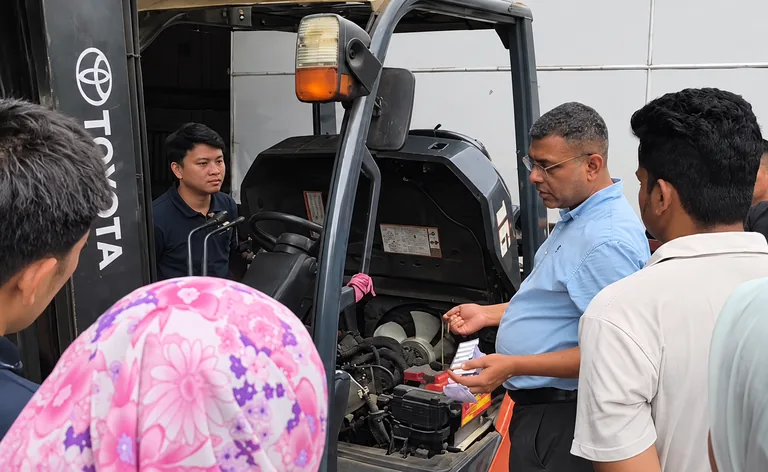
Delivery
Training may combine instruction, equipment checks, hazard discussion, practical exercises and assessment.
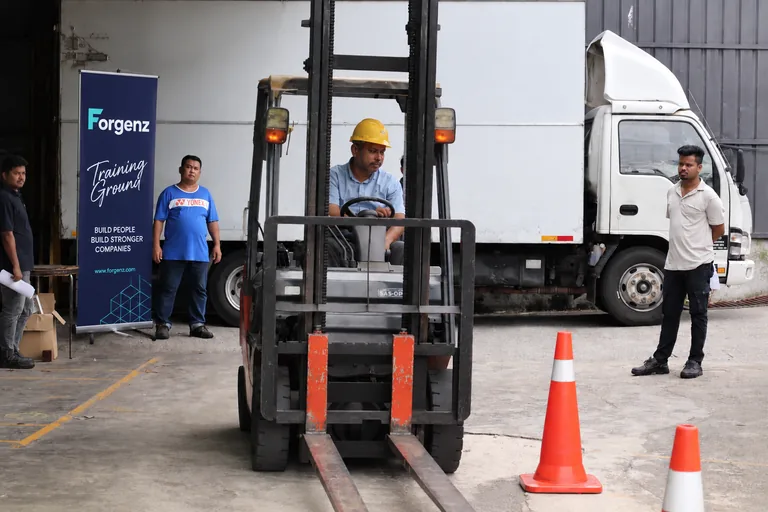
Programme planning
Useful planning starts with the operators, the equipment and the way forklifts move through the workplace. Tell us about the operators, forklift type, work site and whether practical training or assessment is required.
Identify whether participants are new, developing or experienced operators.
Consider routes, blind spots, surfaces, loads and interaction with people.
Confirm equipment, venue, safety controls and assessment needs before delivery.
FAQ
No. Training can be discussed for new, developing or experienced operators. The proposal will confirm the most suitable programme.
Practical training depends on the programme selected, equipment availability, site suitability and safety arrangements.
This can be discussed in advance. The equipment and site must be suitable for the agreed training.
Assessment may be included. The format and arrangements will be confirmed in the proposal.
Yes. Supervisors and safety personnel may benefit from relevant content on hazards, traffic interaction and oversight.
Share operator experience, forklift type, estimated numbers, workplace conditions, location and whether practical training or assessment is needed.
HRD Corp levy support for eligible employers and applicable programmes, subject to HRD Corp requirements.
Tell us about your operators, equipment and workplace so we can prepare a suitable forklift training proposal.