Corporate programme
Emergency preparedness is more than knowing where the nearest exit is. Employees need to understand their roles, communicate clearly and know how to respond during an emergency. Forgenz provides ERT and fire-drill training that helps organisations prepare employees for coordinated emergency response.
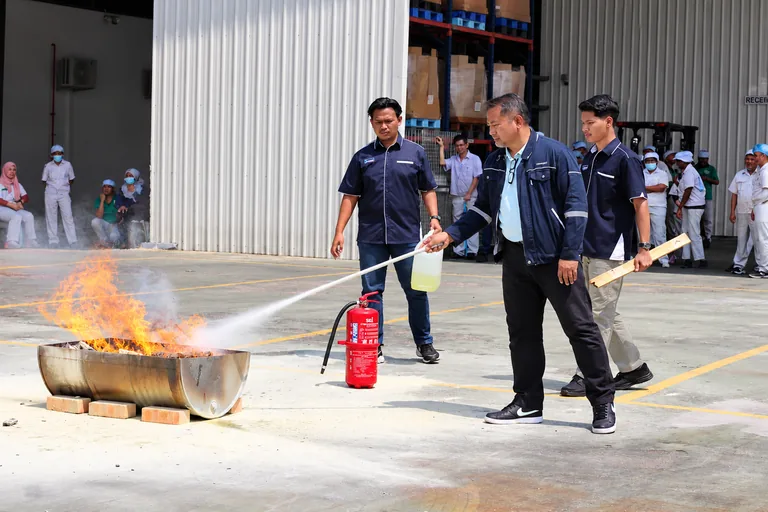
Programme overview
The programme can help employees and Emergency Response Team members understand how their roles connect during an incident. Depending on the training selected, it may cover emergency communication, evacuation, assembly, accountability, fire awareness and a practical drill followed by a debrief.
Final programme details, duration and practical components will be confirmed in the proposal.
Why it matters
Clear roles and communication can help people act more confidently and consistently when an emergency occurs.
Help people understand what they are expected to do before an incident happens.
Support clearer instructions and better coordination.
Connect emergency procedures with practical action at the site.
Use the drill and debrief to identify useful improvements.
Learning outcomes
Understand the responsibilities of employees and ERT members during an emergency.
Improve communication and coordination during emergency situations.
Review evacuation, assembly and accountability procedures.
Use the drill and debrief to identify areas that may need improvement.
Programme content
ERT training and fire drills serve different purposes. The proposal will confirm whether the programme includes briefing, practical exercise, debrief or a combination.
Understand how ERT members, wardens, safety personnel and employees may work together during an emergency.
Review how instructions and important information should move during an emergency.
Cover fire awareness and the initial-response principles included in the selected programme.
Review movement to assembly areas and the arrangements used to account for people.
Rehearse the agreed emergency scenario when a practical exercise is included.
Review what worked well during the exercise and identify areas that may need improvement.
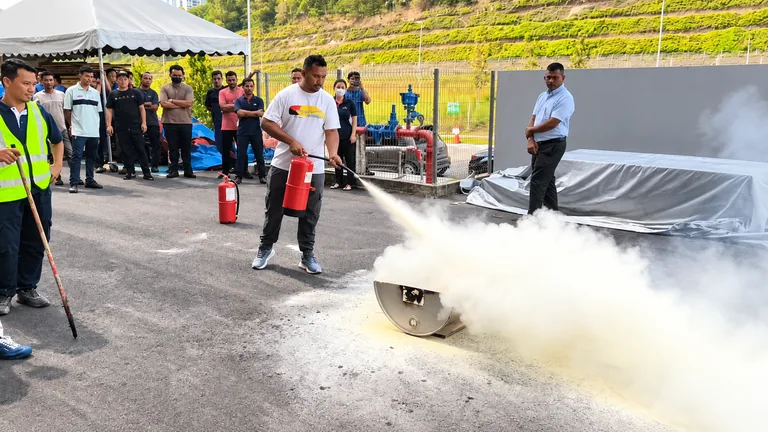
Delivery
Delivery may combine a briefing, role discussion, site review, practical drill and facilitated debrief.
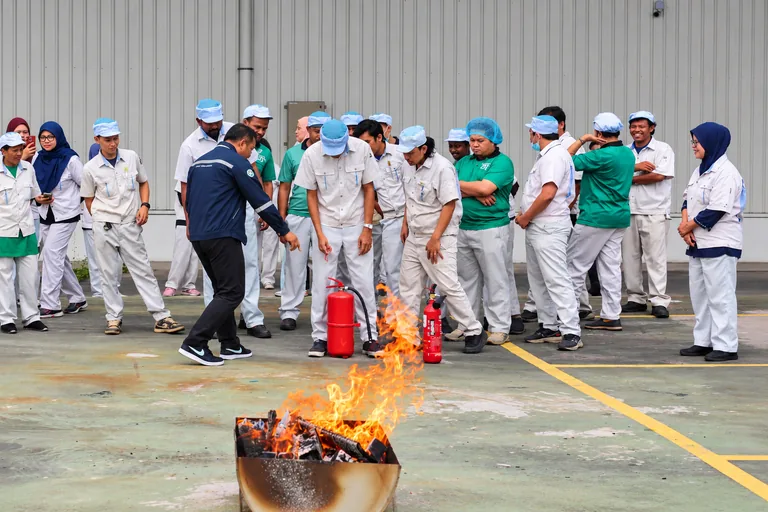
Programme planning
The programme should reflect the emergency roles, movement routes and arrangements at the selected site. Tell us about the site, the people involved and whether you need ERT learning, a practical drill, a debrief or a combination.
Confirm ERT roles, wardens, command responsibility and communication lines.
Consider exits, assembly points, headcount arrangements and site conditions.
Agree the scenario, observers, safety controls and debrief approach.
FAQ
ERT training focuses on roles, responsibilities and coordinated response. A fire drill is a practical exercise used to rehearse emergency procedures. A programme may include one or both.
Yes. Relevant procedures and site information can be reviewed during programme planning.
No. Practical components depend on the agreed programme, site suitability, permissions and safety arrangements.
ERT members, wardens, safety personnel, supervisors and relevant employees may be involved, depending on the organisation’s emergency structure.
Yes, a facilitated debrief can be included to review the exercise and identify areas that may need improvement.
Share the site type, participant roles, current emergency arrangements, estimated numbers, location and the training or drill needed.
HRD Corp levy support for eligible employers and applicable programmes, subject to HRD Corp requirements.
Tell us about your site, emergency roles and the type of ERT training or drill you are considering.