
Observe
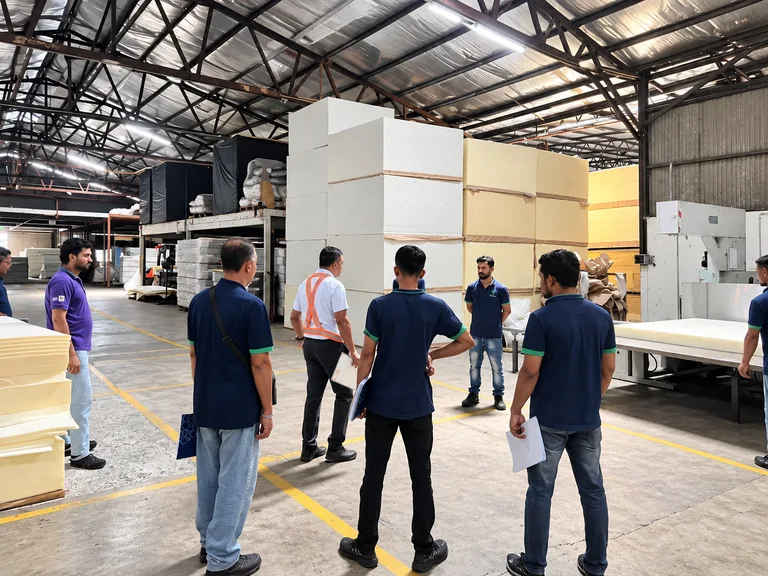
Look at how the work is actually performed.
Corporate programme
Ergonomics is not simply about sitting correctly.
It involves looking at how people, equipment, tasks and the working environment fit together.
Forgenz Ergonomics Training helps employees and supervisors recognise common risks and identify practical opportunities to improve how work is performed.
Programme overview
Employees often adapt themselves to poorly designed work by reaching further, sitting awkwardly, repeating the same movement or standing for long periods.
Over time, these patterns can contribute to discomfort, fatigue and unnecessary physical demand. Ergonomics encourages organisations to look beyond individual posture and consider the design of the work itself.
Participants learn how to observe work, identify common risk factors and recognise where adjustments or further assessment may be appropriate.
Final programme details, duration and activities will be confirmed in the proposal.
Why it matters
People may accept poor work arrangements because this is how the job has always been done. Awareness helps teams notice where work design is creating avoidable physical demand.
Awkward or sustained posture can increase physical demand over time.
Repeated movement and forceful effort may combine with other risk factors.
Work height, reach and equipment placement affect how a task is performed.
Pacing, breaks, task rotation and workload variation can influence exposure.
Learning outcomes
Programme content
Final emphasis may be adapted according to participant responsibilities and organisational needs.
Examine the fit between people, tasks, equipment and the work environment.
Review bending, twisting, reaching, elevated arms, prolonged sitting and prolonged standing.
Consider movement frequency, recovery and the interaction with other risk factors.
Explore physical demand from loads, grip, tools, pushing, pulling and task method.
Review chair adjustment, screen, keyboard, mouse, frequently used items and work organisation.
Observe work height, tool position, reach, layout, repetition and force.
Discuss lifting, carrying, pushing and pulling as part of wider task design.
Consider rotation, pacing, breaks, workload variation and practical improvement opportunities.
Workplace application
Learning approach
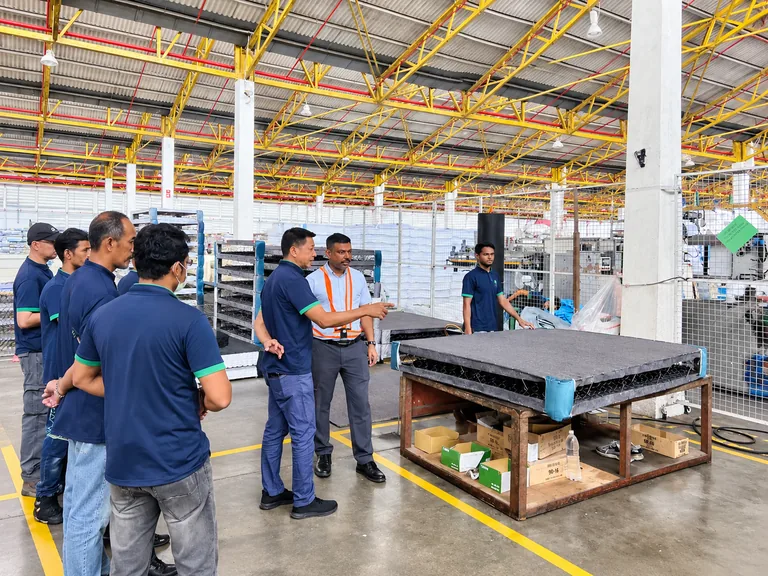
The programme uses practical observation so participants can connect ergonomic principles with familiar work.
Programme planning
Office, operational and management groups may need different ergonomic examples and activities.
Place greater emphasis on workstations, prolonged sitting and frequently used equipment.
Focus on repetition, reach, force, work height and task layout.
Build awareness for recognising patterns across a team and seeking further assessment where required.
YOUR NEEDS SHAPE THE PROGRAMME.
Request a proposal →Delivery
Delivery can combine explanation, observation exercises, workstation review and task-improvement discussion.
FAQ
It helps participants understand how people, tasks, equipment and the workplace fit together and recognise practical improvement opportunities.
No. Office setup is one area; ergonomics also covers repetition, reach, force, manual tasks, standing work and operational layouts.
Yes. Examples can focus on operational tasks, work height, tool position, movement and layout.
Manual tasks can be included within the agreed ergonomic scope, without replacing a formal assessment.
Yes, where the venue and format support a guided review.
No. Training builds awareness and practical observation; it does not replace a formal assessment or specialist advice.
Yes. Their focus can include team observation and knowing when further review is needed.
Yes, suitable photographs can help participants discuss actual task conditions.
Yes. The balance of examples and activities can reflect the participant group.
Duration is confirmed according to the audience, work environment and practical activities.
Eligible employers can apply to use their HRD Corp levy for applicable programmes, subject to HRD Corp requirements.