
Expect
Set clear workplace expectations.
Corporate programme
Managers make people decisions every day, even when they do not work in HR.
They set expectations, observe performance, respond to employee concerns and create records that may later support wider organisational action.
This programme helps managers act earlier, more consistently and within appropriate boundaries.
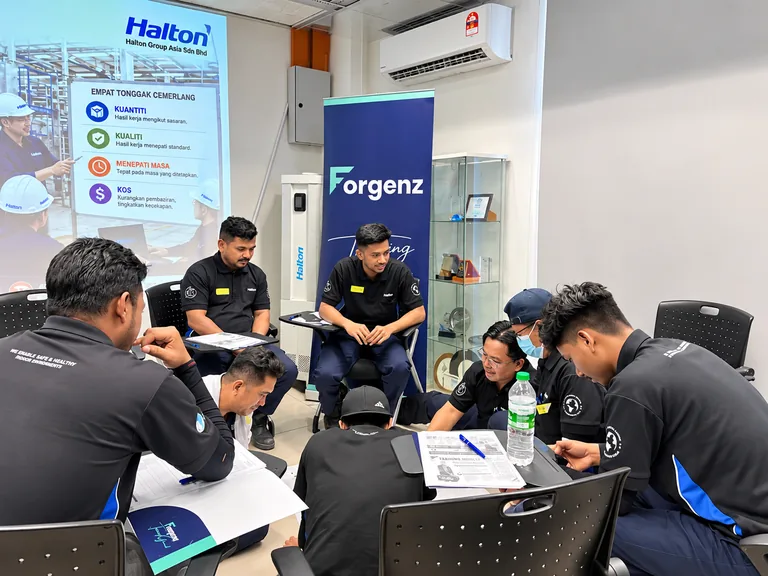
Programme overview
Line managers are often the first point of contact for attendance, performance, behaviour and workplace concerns.
A clear approach helps them distinguish a management conversation from a formal HR process, document relevant facts and seek help before an issue becomes harder to manage.
The learning supports better manager judgement without turning participants into HR specialists.
Final programme details, duration and activities will be confirmed in the proposal.
Why it matters
Early manager actions can influence clarity, fairness, documentation and the organisation's ability to respond consistently.
Clear expectations help prevent avoidable misunderstanding.
Managers need facts and examples rather than labels or assumptions.
Simple, timely records support continuity and fair follow-up.
Managers need to know when policy, HR or legal support is required.
Learning outcomes
Programme content
Final emphasis may be adapted according to participant responsibilities and organisational needs.
Clarify the manager's role in expectations, observation, conversation and follow-up.
Communicate responsibilities, attendance, conduct and performance standards.
Distinguish work-performance concerns from potential disciplinary matters.
Prepare for and conduct respectful management discussions.
Record dates, facts, agreed actions and follow-up clearly.
Identify suitable workplace support while maintaining accountability.
Understand why managers should follow approved organisational processes.
Recognise grievances, harassment, formal discipline and complex employee-relations matters requiring support.
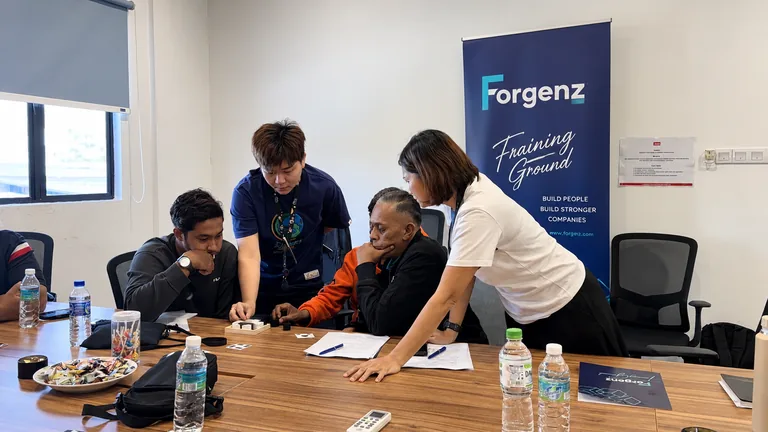
Workplace application
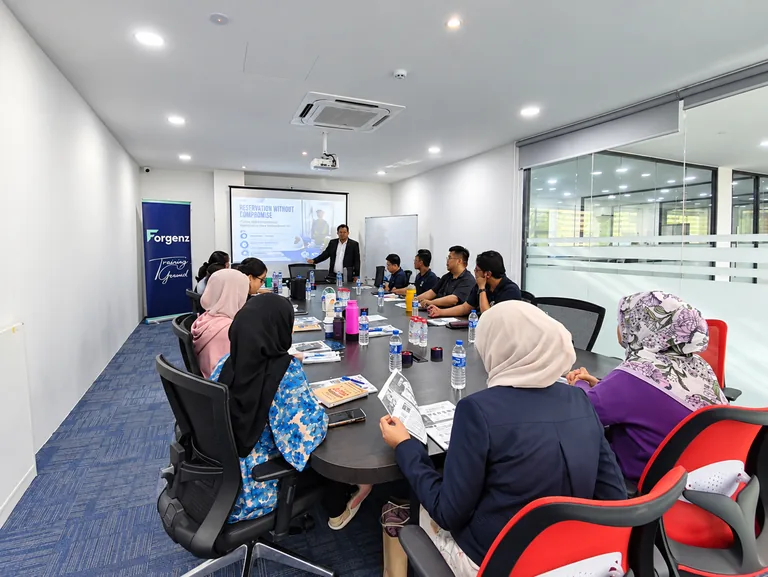
Learning approach
Manager cases help participants decide what to handle, what to document and when to involve HR.
Programme planning
The scope should reflect manager responsibilities, organisational policies and available HR support.
Build foundations in expectations, early conversations and documentation.
Use more complex performance, attendance and employee-relations cases.
Clarify the organisation's manager-HR handover and escalation expectations.
YOUR NEEDS SHAPE THE PROGRAMME.
Request a proposal →Delivery
Delivery can combine facilitator explanation, people-management cases, documentation practice and boundary exercises.
FAQ
It helps managers understand everyday people responsibilities and when HR involvement is required.
Managers, supervisors, team leaders and department heads who manage employees.
No. It strengthens manager practice while preserving HR and specialist responsibilities.
Yes. It can include expectations, early conversations, documentation and suitable follow-up.
It can explain boundaries and processes, but formal cases should follow policy and appropriate support.
The programme may explain relevant workplace-management context where appropriate, but it is not legal advice or a substitute for specialist employment-law guidance.
Relevant approved policies can inform the programme when supplied during planning.
Yes. Participants can practise factual and useful management notes.
Duration depends on participant level, scope and case-practice depth.
Related programmes
Explore a related dedicated programme.
Explore →RelatedExplore a related dedicated programme.
Explore →RelatedExplore a related dedicated programme.
Explore →RelatedExplore a related dedicated programme.
Explore →Eligible employers can apply to use their HRD Corp levy for applicable programmes, subject to HRD Corp requirements.