
Pause
Recognise emotional reactions before responding immediately.
Corporate programme
Workplace conflict is not always avoidable.
Differences in priorities, communication styles, expectations and working approaches can create tension between employees, teams and departments.
This programme helps participants understand the causes of workplace conflict, respond more constructively to disagreement and develop practical approaches for managing difficult situations before they escalate.
Programme overview
Conflict can occur even within high-performing teams.
A difference of opinion may become personal. Miscommunication can create unnecessary tension. Employees may avoid addressing issues until frustration builds. Managers may also find themselves caught between individuals or teams with very different perspectives on the same situation.
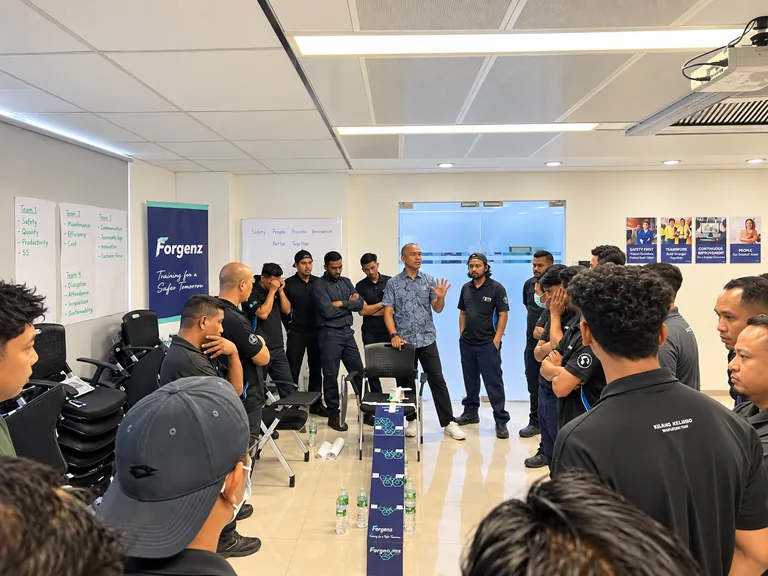
Conflict Management Training helps participants approach disagreement more systematically.
The programme focuses on recognising the causes of conflict, understanding different perspectives, managing reactions and using more constructive approaches when workplace issues arise.
The objective is not to eliminate all disagreement. It is to help employees and managers address conflict in a way that protects working relationships and supports practical resolution.
Why it matters
Conflict that is ignored does not necessarily disappear.
Small disagreements can become more difficult when expectations remain unclear, emotions increase or people begin making assumptions about one another’s intentions.
Learning outcomes
Identify workplace situations, behaviours and misunderstandings that can lead to disagreement.
Recognise that individuals may interpret the same situation differently based on their roles, priorities and experiences.
Recognise emotional triggers and manage reactions so the discussion can remain focused on the issue.
Express concerns clearly while listening to and considering the other person’s perspective.
Recognise behaviours and communication patterns that may intensify workplace conflict.
Approach sensitive workplace issues with greater structure and confidence.
Move discussions away from blame and fixed positions towards interests, options and workable next steps.
Clarify agreed actions and help prevent the same issue from repeatedly resurfacing.
Programme content
The final emphasis can be shaped around participant responsibilities and the conflict situations they may encounter at work.
Understand what conflict is, why it occurs and how it can affect workplace relationships.
Explore unclear expectations, competing priorities, communication breakdowns, different working styles and interpersonal tension.
Recognise common responses to disagreement, including avoidance, accommodation, competition, compromise and collaboration.
Keep attention on the workplace concern rather than turning disagreement into personal criticism.
Recognise emotional triggers and manage reactions so the discussion can remain constructive.
Understand the other person’s perspective before responding or attempting to solve the issue.
Express concerns clearly and professionally without becoming passive or aggressive.
Prepare for and conduct conversations involving disagreement, frustration or sensitive workplace issues.
Use practical approaches to reduce tension and keep discussions productive.
Move from positions and blame towards shared interests, options and realistic ways forward.
Clarify agreed actions, responsibilities and appropriate follow-up after a conflict discussion.
De-escalation in practice
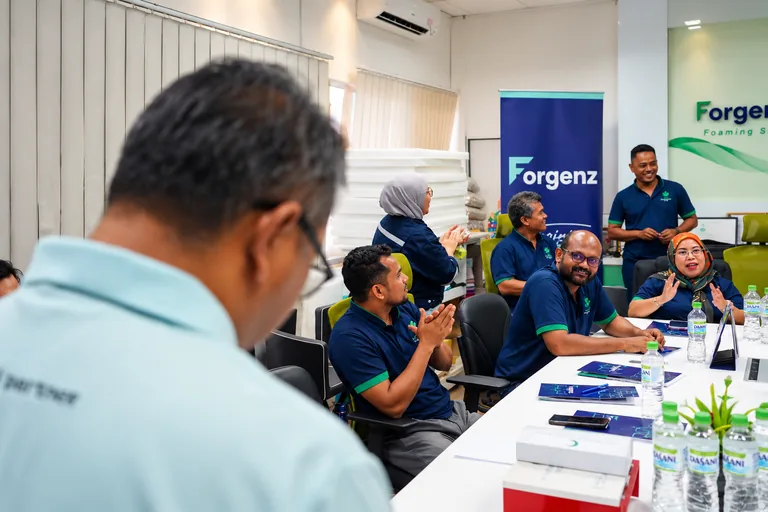
Conflict often becomes more difficult when attention shifts away from the original issue and towards assumptions, personalities or blame.
A structured response can help people slow the situation down, clarify what is happening and keep attention on a constructive way forward.
Recognise emotional reactions before responding immediately.
Identify the actual issue and separate facts from assumptions.
Give the people involved an opportunity to explain their perspective.
Address the issue without attacking the individual.
Consider possible options, shared interests and areas of agreement.
Clarify practical actions and responsibilities.
Check whether the issue has been resolved or requires further action.
Interpersonal conflict
Conflict between colleagues may arise from different working styles, unclear responsibilities or issues that have not been addressed.
Personal contribution
How a person responds can reduce tension or make the issue more difficult.
Participants can examine how their own responses may influence the situation and practise more constructive ways of addressing disagreement.
The focus stays on workplace behaviour, communication and practical resolution—not blame.
For people managers
Managers and supervisors may need to respond when conflict begins affecting individual employees, team relationships or the wider working environment.
Across departments
Conflict does not only occur between individuals. Different departments may have competing priorities, timelines, responsibilities or performance expectations.
Examples may include disagreement between:
The programme can help participants move the discussion away from departmental positions towards shared objectives, responsibilities and practical next steps.
Learning approach
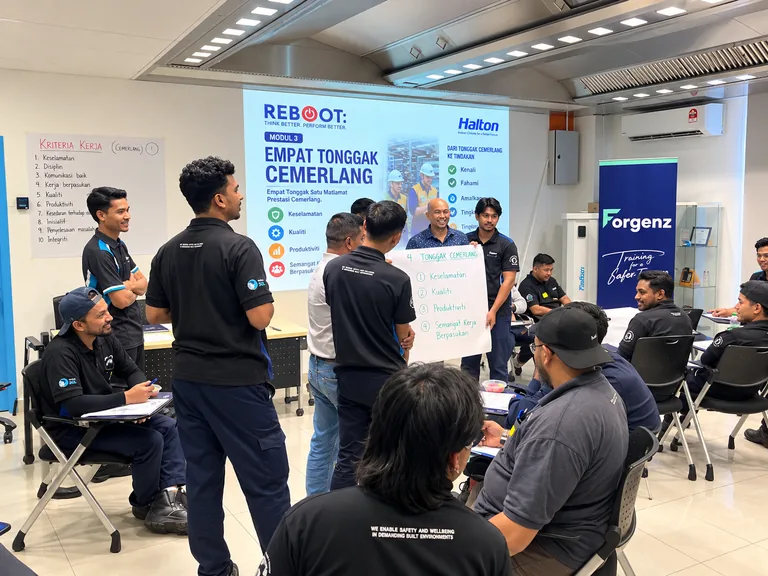
Where appropriate, scenarios can be adapted around realistic workplace situations relevant to the participant group.
The emphasis is on practical workplace application, rather than conflict-management theory alone.
Programme planning
Conflict can take different forms depending on the organisation and participant group.
Focus on interpersonal disagreement, communication and managing reactions.
Place greater emphasis on conflict between team members and difficult conversations.
Include more complex cross-functional, performance-related or people-management situations.
Delivery
The format and emphasis can be planned around participant responsibilities, group size and the conflict situations relevant to the organisation.
FAQ
Conflict Management Training helps participants recognise the causes of workplace conflict, manage reactions, communicate during disagreement and work towards constructive resolution and follow-up.
Yes. Employee-focused training can help participants address interpersonal disagreement, communication breakdowns and workplace tension more constructively.
Yes. The programme can place greater emphasis on early intervention, listening to different perspectives, facilitating constructive discussion and knowing when HR or senior management should be involved.
Yes. Cross-functional scenarios can explore competing priorities, responsibilities, timelines and ways to move departments towards shared objectives and practical next steps.
Yes. The programme can include preparation, assertive communication, listening, clarification, de-escalation and follow-up for difficult workplace conversations.
Communication Skills Training focuses more broadly on clarity, listening, questioning, feedback and everyday workplace conversations. Conflict Management Training focuses specifically on disagreement, tension, escalation and constructive resolution. The two areas are related, but they develop different workplace capabilities.
Emotional Intelligence Training focuses more on self-awareness, emotional regulation, empathy and understanding personal reactions. Conflict Management Training focuses on what to do when disagreement or workplace tension already exists—including clarification, discussion, de-escalation, resolution and follow-up.
No. Conflict management focuses on handling workplace disagreement, tension and difficult interactions constructively. Issues involving formal grievances, misconduct, harassment, disciplinary matters or other serious concerns should continue to follow the organisation’s applicable policies, reporting channels and HR procedures. The programme can help participants understand when informal conflict management is appropriate and when an issue should be escalated.
Yes. Where appropriate, scenarios can be adapted around realistic workplace situations relevant to the participant group without exposing confidential personal details.
Duration depends on the participant group, programme scope, practical activities and intended learning outcomes. It will be confirmed in the proposal.
Related programmes
Explore a related people, management or workplace-development programme.
Explore →RelatedExplore a related people, management or workplace-development programme.
Explore →RelatedExplore a related people, management or workplace-development programme.
Explore →RelatedExplore a related people, management or workplace-development programme.
Explore →RelatedExplore a related people, management or workplace-development programme.
Explore →RelatedExplore a related people, management or workplace-development programme.
Explore →RelatedExplore a related people, management or workplace-development programme.
Explore →Eligible employers can apply to use their HRD Corp levy for applicable programmes, subject to HRD Corp requirements.
Tell us about the participant group, workplace situations and conflict-management capabilities your organisation wants to strengthen.
We can structure the programme around your workforce, workplace context and intended outcomes.