
Set Expectations
What is expected from the employee?
Corporate programme
Managing performance is more than completing an annual appraisal.
Effective performance management requires managers and supervisors to set clear expectations, monitor progress, provide timely feedback and address performance concerns before they become larger issues.
This programme develops practical skills for managing employee performance through clearer expectations, better conversations and more structured follow-up.
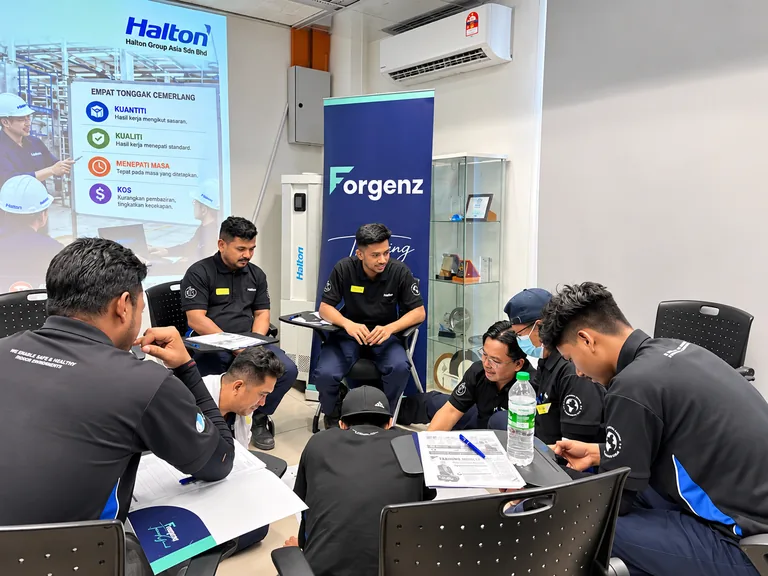
Programme overview
Employee performance can be affected by many factors, including unclear expectations, inconsistent feedback, limited follow-up and uncertainty about what good performance actually looks like.
Managers and supervisors play an important role in helping employees understand what is expected, where improvement may be needed and how their work contributes to wider team and organisational priorities.
Performance Management Training helps participants develop a more structured approach to setting expectations, monitoring performance, conducting performance conversations and supporting improvement.
The emphasis is on day-to-day performance management as an ongoing management responsibility, rather than treating performance as an annual administrative exercise.
Why it matters
Performance problems do not always begin with poor capability. Sometimes employees are simply unclear about what is expected.
Managers may assume expectations have been understood. Feedback may only be given when something goes wrong. Performance concerns may be left until the formal appraisal period.
A more consistent approach gives employees greater clarity around expectations, progress and areas for improvement. It also helps managers recognise concerns earlier and respond before they become more difficult to address.
Learning outcomes
Communicate responsibilities, standards and expected outcomes more clearly.
Develop practical objectives that give employees clearer direction and priorities.
Observe progress and identify performance gaps without relying only on formal appraisal periods.
Provide feedback that is specific, balanced and focused on behaviour, performance and improvement.
Approach performance discussions with greater structure, clarity and confidence.
Identify possible causes of performance gaps and determine appropriate improvement actions.
Use questioning, guidance, feedback and follow-up to support employee development and performance.
Clarify responsibilities, agreed actions and expectations for follow-through.
Programme content
The final emphasis can be shaped around participant responsibilities, existing performance processes and the situations managers handle at work.
Understand performance management as an ongoing management responsibility rather than a once-a-year appraisal activity.
Clarify roles, responsibilities, standards and expected performance from the beginning.
Create practical objectives that connect individual performance with team and organisational priorities.
Use regular observation, discussion and review to understand performance before formal appraisal periods.
Help employees understand what is working, what needs to improve and what should happen next.
Structure discussions around expectations, evidence, performance gaps and agreed actions.
Explore possible reasons behind underperformance before assuming a lack of effort or commitment.
Address performance concerns clearly and determine suitable improvement actions within the manager’s responsibilities.
Use questions, guidance and follow-up to help employees identify practical ways to improve.
Maintain suitable records of expectations, feedback, discussions and agreed actions in line with organisational processes where required.
Review progress and ensure that performance conversations lead to practical next steps.
Ongoing management
Performance management is most effective when it happens throughout the year. Regular performance conversations create greater clarity before the formal appraisal cycle.
What is expected from the employee?
What is actually happening?
What is going well and where are the gaps?
What should continue or change?
What needs to happen next?
Has progress been made?
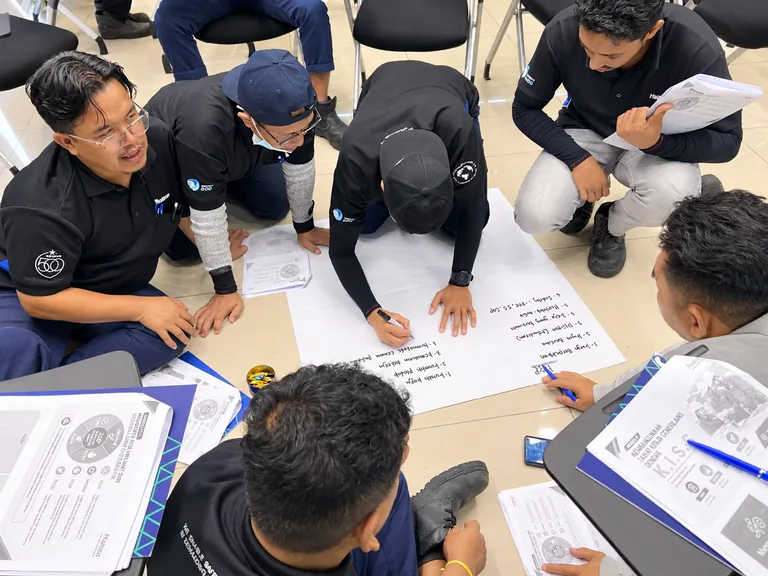
Handling underperformance
Underperformance can have different causes. An employee may lack clarity, knowledge, skill, resources, motivation or support. Barriers within the working environment may also affect performance.
A structured approach considers what was expected, what actually occurred, whether expectations were clear, what contributed to the gap, what support may be required, which actions should be agreed and when progress should be reviewed.
The objective is to address concerns fairly, clearly and constructively. Where formal performance or disciplinary action becomes necessary, the organisation’s applicable policies, processes and HR requirements should guide the appropriate course of action.
Performance conversations
Many managers understand that feedback is important but still find performance conversations difficult.
Where suitable, participants can practise these conversations using realistic workplace scenarios.
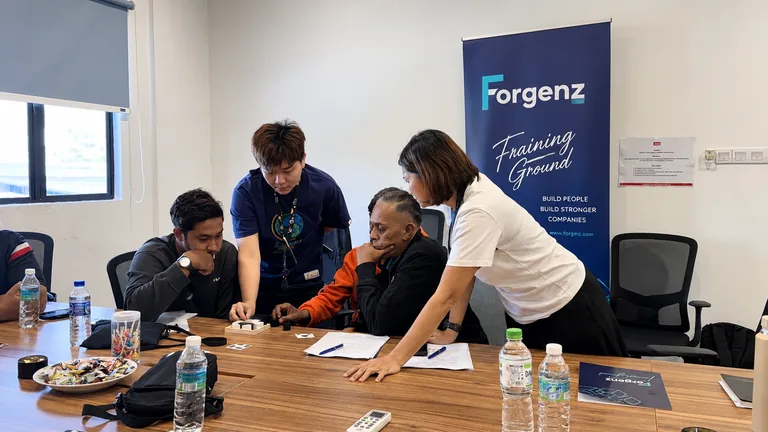
For supervisors
Supervisors often have the closest day-to-day visibility of employee performance. The programme can help them manage performance more consistently rather than waiting for problems to become serious.
Learning approach
The emphasis is on practical management situations and workplace application, rather than performance management theory alone.
Programme planning
Performance management systems and expectations differ between organisations. The programme can be adapted around participant level, existing processes, common challenges and intended learning outcomes.
Emphasise day-to-day feedback, monitoring and early intervention.
Include more complex conversations, coaching, accountability and managing underperformance.
Consider organisational forms, processes or internal performance terminology where appropriate.
Delivery
The format, duration and language can be planned around participant requirements, management level and intended learning outcomes.
FAQ
Performance Management Training helps managers and supervisors set expectations, monitor progress, give feedback, conduct performance conversations and support improvement through practical follow-up.
No. It is primarily relevant to managers, supervisors, team leaders and other employees with people-management responsibilities. HR personnel supporting performance processes may also benefit.
Yes. The programme can help managers examine performance gaps, possible contributing factors, improvement actions and suitable follow-up within their responsibilities.
Performance appraisal can be included where relevant, but the programme treats performance management as an ongoing responsibility throughout the year rather than an annual form-completion exercise.
No. Performance management focuses primarily on expectations, monitoring, feedback, coaching, performance conversations and improvement. Formal disciplinary matters involve separate organisational policies and procedures. Where relevant, the programme can help participants understand suitable management boundaries and escalation points.
Yes. Existing performance terminology, forms or processes can be considered during programme planning where appropriate.
Yes. Suitable workplace scenarios and role-play can help participants practise preparing for, conducting and following up on challenging performance discussions.
Yes. The programme can emphasise day-to-day expectations, observation, timely feedback, coaching and early intervention for new supervisors.
Duration depends on the participant group, programme scope, practical activities and intended learning outcomes. It will be confirmed in the proposal.
Related programmes
Explore a related management, leadership or workplace-development programme.
Explore →RelatedExplore a related management, leadership or workplace-development programme.
Explore →RelatedExplore a related management, leadership or workplace-development programme.
Explore →RelatedExplore a related management, leadership or workplace-development programme.
Explore →RelatedExplore a related management, leadership or workplace-development programme.
Explore →RelatedExplore a related management, leadership or workplace-development programme.
Explore →RelatedExplore a related management, leadership or workplace-development programme.
Explore →Eligible employers can apply to use their HRD Corp levy for applicable Forgenz programmes, subject to HRD Corp requirements.
Tell us about your managers, current performance challenges and the outcomes your organisation wants to strengthen. We can structure the programme around your management context, workforce and performance requirements.