Corporate programme
Emotional intelligence influences how people respond to pressure, feedback, disagreement and everyday workplace interactions.
This programme helps participants build greater self-awareness, manage emotional reactions more deliberately and respond to others with greater empathy and professionalism.
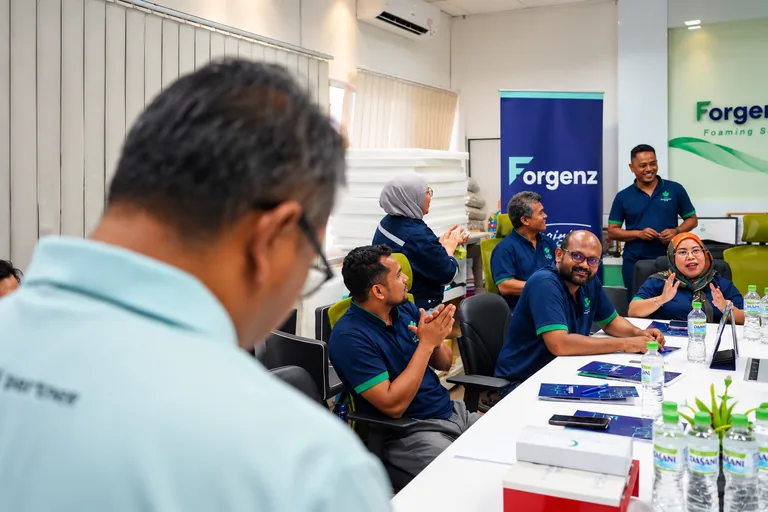
Programme overview
Emotional intelligence is the ability to recognise and understand emotions, manage personal responses and respond appropriately in interactions with others.
In the workplace, emotions can influence communication, judgement, teamwork, relationships and how people respond to pressure or disagreement.
Employees may react differently to feedback, changing expectations, stressful situations or interpersonal challenges. Without sufficient awareness, those reactions can affect both communication and working relationships.
Emotional Intelligence Training helps participants recognise emotional patterns, understand personal triggers and develop more deliberate responses to workplace situations.
The emphasis is on practical workplace application rather than psychological theory.
Why it matters
Workplace challenges are not always caused by technical issues. Sometimes, the difficulty comes from how people respond to situations.
A poorly delivered comment can create unnecessary tension. Feedback may trigger defensiveness. Pressure can affect judgement. Differences in personality or working style may lead to misunderstanding.
Greater emotional intelligence helps people recognise their own reactions, understand how others may be responding and make more deliberate choices about what they do next.
For supervisors and managers, this capability is particularly relevant when handling feedback, employee concerns, disagreement, pressure and other situations where emotions can influence the conversation.
Learning outcomes
Participants should be better prepared to recognise emotional responses and make more deliberate choices in workplace interactions.
Recognise personal emotions, behavioural patterns and situations that may trigger stronger emotional responses.
Respond more deliberately instead of reacting impulsively during stressful, uncomfortable or challenging situations.
Consider situations from another person’s perspective and recognise that people may experience the same interaction differently.
Recognise how tone, behaviour and emotional responses can influence people around you.
Maintain greater awareness and composure when dealing with stress, disagreement, feedback or changing expectations.
Apply emotional awareness to support more constructive communication, collaboration and professional working relationships.
Programme content
The final emphasis can be shaped around participant responsibilities and the emotional or interpersonal situations they encounter at work.
Explore how emotions influence workplace behaviour, judgement, communication and relationships.
Recognise personal emotional patterns, strengths, reactions and potential triggers.
Identify situations that may create frustration, defensiveness, anxiety or other strong responses.
Develop practical approaches for managing reactions and choosing more constructive responses.
Understand how different people may interpret and experience workplace situations differently.
Recognise how behaviour, tone and emotional responses can affect others.
Understand how emotions influence listening, interpretation, tone and responses during workplace conversations.
Recognise defensive reactions and respond to feedback more constructively.
Apply emotional awareness during disagreement, tension and challenging interpersonal situations.
Maintain greater awareness and composure when workload, expectations or workplace demands increase.
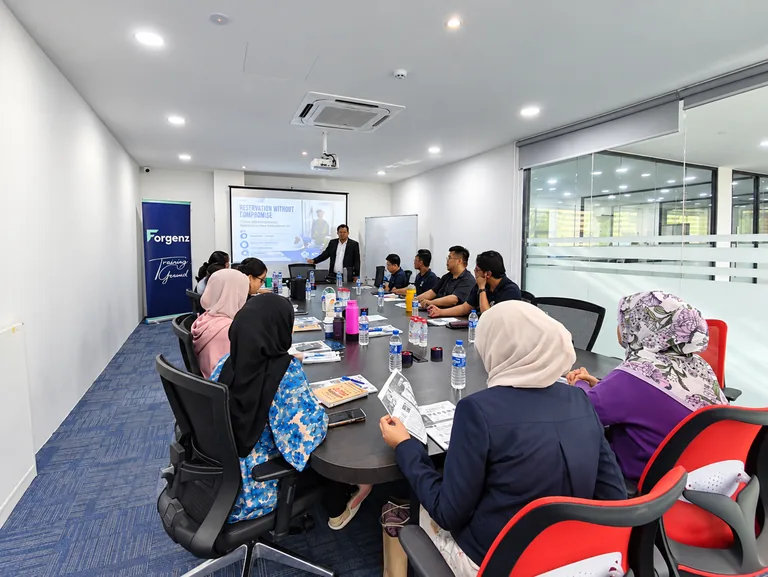
Workplace application
Emotional awareness becomes useful when participants can connect it with situations they handle in their normal working day.
Recognise the initial emotional response and create space to respond more thoughtfully before becoming defensive.
Maintain greater awareness of reactions during demanding or stressful situations.
Recognise emotional escalation before a discussion becomes personal or unproductive.
Approach sensitive issues with greater awareness of personal reactions and the responses of others.
Recognise that employees may communicate, respond and process situations differently.
Understand how different employees may respond to expectations, feedback, pressure and workplace challenges.
For people managers
Managers and supervisors regularly handle situations where emotions influence the conversation.
These may include performance discussions, feedback, disagreement, employee concerns, changing expectations and pressure within the team.
The programme can place greater emphasis on helping managers and supervisors:
This positions emotional intelligence as a practical people-management capability, rather than simply a personal development concept.
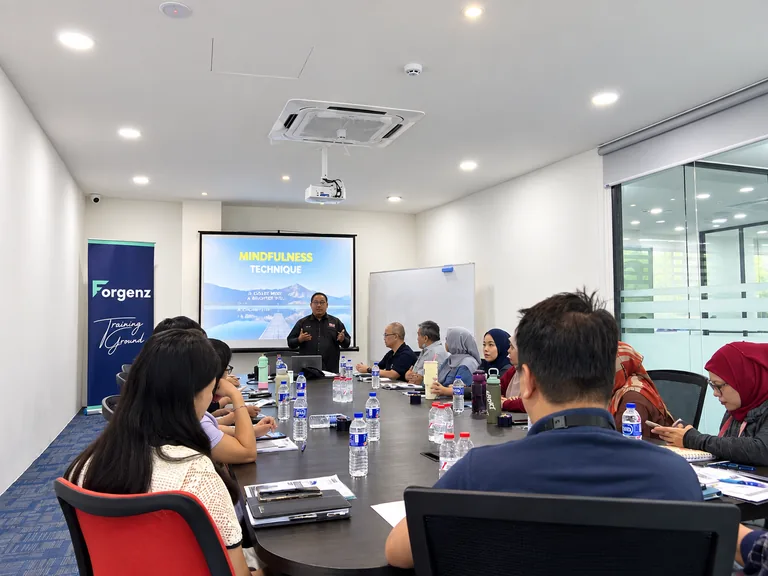
Learning approach
Emotional intelligence develops through awareness, reflection and practice. Activities can be adapted around situations participants may encounter in their own workplace.
The programme is designed as workplace capability development and is not intended to replace counselling, psychological assessment or clinical mental health support.
Programme planning
The programme can be adapted according to participant level, workplace context and the types of interpersonal situations the organisation wants to address.
Greater emphasis may be placed on self-awareness, emotional regulation and workplace relationships.
Greater emphasis may be placed on feedback, employee reactions and difficult conversations.
Greater emphasis may be placed on leadership behaviour, emotional awareness and managing complex interpersonal situations.
Delivery
The programme format, duration and language can be planned around participant requirements and the workplace situations being addressed.
FAQ
Emotional Intelligence Training helps participants recognise emotions, understand personal triggers, manage reactions and respond to others more deliberately in workplace situations.
Yes. Managers and supervisors can use emotional intelligence when giving feedback, handling employee concerns, managing disagreement and staying composed under pressure.
Yes. Greater emotional intelligence can be developed through awareness, reflection, practical techniques and repeated application in real workplace situations.
Yes. Relevant workplace scenarios can be included to explore emotional triggers, interpersonal awareness and more constructive responses without turning the programme into counselling or therapy.
No. Emotional Intelligence Training focuses on recognising emotions, managing reactions and responding effectively in interpersonal situations. Workplace Mental Health Training focuses on awareness, wellbeing, warning signs and appropriate workplace support.
Communication Skills Training focuses more directly on how people communicate—including clarity, listening, questioning, feedback and workplace conversations. Emotional Intelligence Training focuses more on recognising emotions, managing reactions, understanding others and responding more deliberately during interpersonal situations. The two areas are related, but they develop different capabilities.
Yes. The emphasis can be adjusted for employees, supervisors or managers according to their responsibilities and the workplace situations they handle.
Duration depends on the participant group, programme scope, practical activities and intended learning outcomes. It will be confirmed in the proposal.
Related programmes
Explore a related people, leadership or workplace-development programme.
Explore →RelatedExplore a related people, leadership or workplace-development programme.
Explore →RelatedExplore a related people, leadership or workplace-development programme.
Explore →RelatedExplore a related people, leadership or workplace-development programme.
Explore →RelatedExplore a related people, leadership or workplace-development programme.
Explore →RelatedExplore a related people, leadership or workplace-development programme.
Explore →Eligible employers can apply to use their HRD Corp levy for applicable programmes, subject to HRD Corp requirements.
Tell us about the people, situations and workplace behaviours your organisation wants to strengthen. We can structure the programme around your participants, workplace context and intended outcomes.