
Understand
Learn about the customer's business and priorities.
Corporate programme
Important customer relationships need more than responsive service.
Account managers need visibility of the customer's business, stakeholders, value priorities, opportunities and relationship risks.
This programme develops a more structured approach to managing strategic accounts.
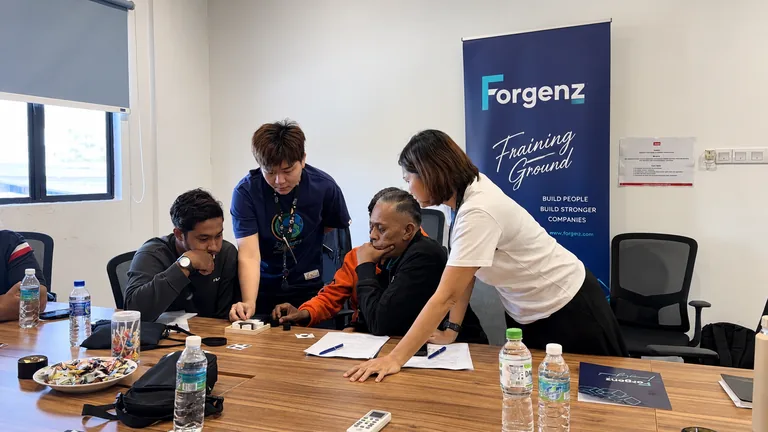
Programme overview
Key account management connects relationship-building with commercial planning and coordinated action.
It helps account teams decide which relationships matter, who influences decisions, what value the customer is seeking and where the account may grow or become vulnerable.
The learning focuses on account planning and strategic customer relationships, not everyday complaint handling.
Final programme details, duration and activities will be confirmed in the proposal.
Why it matters
Relationships can become dependent on one contact, reactive activity or assumptions about customer value. Account visibility supports better priorities and coordinated action.
Account teams need to understand customer goals, pressures and decision context.
Different people influence need, use, approval and renewal.
The account should be developed around relevant customer value, not contact frequency alone.
Regular review helps teams identify gaps, dependence and potential growth.
Learning outcomes
Programme content
Final emphasis may be adapted according to participant responsibilities and organisational needs.
Consider value, potential, fit, complexity and relationship importance.
Explore strategy, operations, pressures and decision context.
Map roles, influence, relationship strength and information needs.
Connect offerings with outcomes the customer considers important.
Define specific relationship, retention and development priorities.
Identify and evaluate relevant growth opportunities.
Review relationship, service, competitive and concentration risks.
Create a practical cadence for actions, evidence and updates.
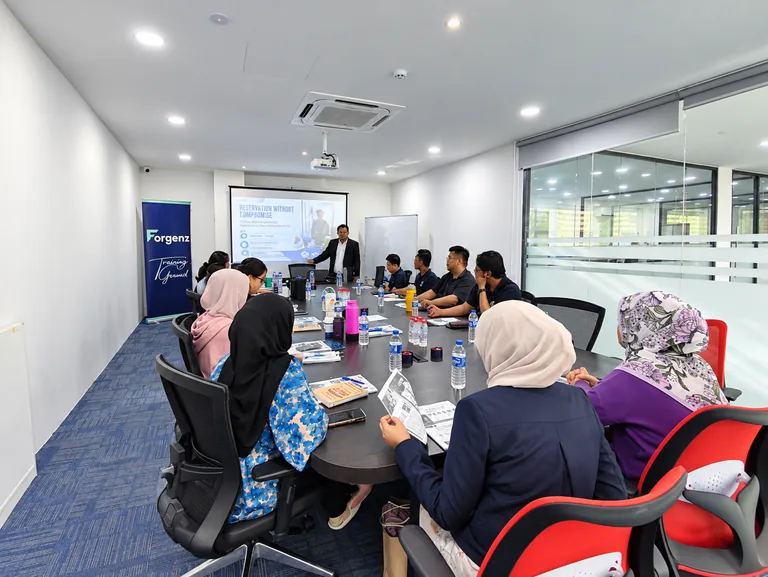
Workplace application
Learning approach
Participants apply stakeholder, value, opportunity and risk thinking to account cases or suitable non-confidential examples.
Programme planning
The scope should reflect account complexity, participant responsibility and the organisation's commercial approach.
Build foundations in account selection, customer understanding and stakeholder mapping.
Deepen value, risk, opportunity and review discipline.
Support shared visibility, ownership and coordinated actions across functions.
YOUR NEEDS SHAPE THE PROGRAMME.
Request a proposal →Delivery
Delivery can combine cases, mapping exercises, account-plan work and facilitated review discussion.
FAQ
It develops a structured approach to strategic accounts, stakeholders, customer value, opportunities, risk and review.
Key account managers, business-development teams, sales managers and commercial leaders.
No. Customer service focuses on interactions and recovery; KAM focuses on strategic relationships and account development.
The primary focus of this dedicated programme is Key Account Management. Relevant business-development concepts such as identifying account opportunities, strengthening customer value, expanding stakeholder relationships and developing suitable growth opportunities may be included where appropriate. Broader business-development requirements can be discussed during programme planning.
A high-revenue customer is not automatically a strategic account. Organisations may consider factors such as revenue, profitability, growth potential, strategic importance, relationship complexity, market access and long-term value when deciding which accounts require focused management.
Yes. Participants can identify decision-makers, influencers, users and relationship gaps.
Yes. The programme can build a practical account-planning structure.
Suitable non-confidential or anonymised account information can support exercises.
No. Training develops capability; commercial results depend on wider customer and business factors.
Duration depends on participant experience, account complexity and practical work.
Eligible employers can apply to use their HRD Corp levy for applicable programmes, subject to HRD Corp requirements.