
Listen
Allow the customer to explain the issue and identify the main concern.
Corporate programme
Customer service is shaped by every interaction a customer has with an organisation.
This programme helps employees develop practical skills to communicate professionally, understand customer needs, manage enquiries and handle challenging situations with greater confidence.

Programme overview
Good customer service is more than being polite.
Customers expect clear communication, timely responses, accurate information and confidence that their concerns will be handled appropriately.
Service problems often arise when employees misunderstand customer needs, provide inconsistent information, respond defensively or fail to manage expectations clearly.
Customer Service Training helps participants develop a more structured and professional approach to customer interactions.
The programme focuses on practical workplace situations including enquiries, complaints, difficult conversations, expectation management and service recovery.
Why it matters
Customers often form their impression of an organisation through everyday interactions with its employees.
A small communication problem can become a larger service issue when expectations are unclear, information is inconsistent or concerns are not handled properly.
Learning outcomes
Recognise what the customer is trying to achieve from the interaction and clarify expectations before responding.
Use clear, appropriate and confident communication across different customer situations.
Understand customer concerns more accurately before responding or proposing a solution.
Clarify what can be delivered, what cannot be delivered and what the customer should expect next.
Respond to customer complaints in a structured and professional manner without becoming defensive.
Maintain composure, professional boundaries and appropriate communication when dealing with challenging behaviour.
Take practical steps to clarify what went wrong, communicate next steps and rebuild customer confidence where appropriate.
Support customer confidence through consistency, responsiveness and professional follow-up.
Programme content
The final emphasis can be shaped around participant responsibilities, the service environment and the customer situations they handle.
Understanding how everyday interactions can influence customer perception, confidence and trust.
Developing appropriate communication, attitude and service behaviour across different customer situations.
Identifying important information, understanding concerns and avoiding unnecessary assumptions.
Using questions to clarify needs, gather relevant information and understand issues more accurately.
Explaining information, processes, expectations and next steps in a way customers can understand.
Setting realistic expectations while maintaining a professional customer relationship.
Understanding the concern, clarifying the issue, identifying appropriate actions and communicating the next step.
Managing frustration, repeated complaints, demanding behaviour and other challenging customer interactions professionally.
Responding when something has gone wrong and taking appropriate action within the employee’s authority.
Developing trust through consistency, responsiveness and professional follow-up.
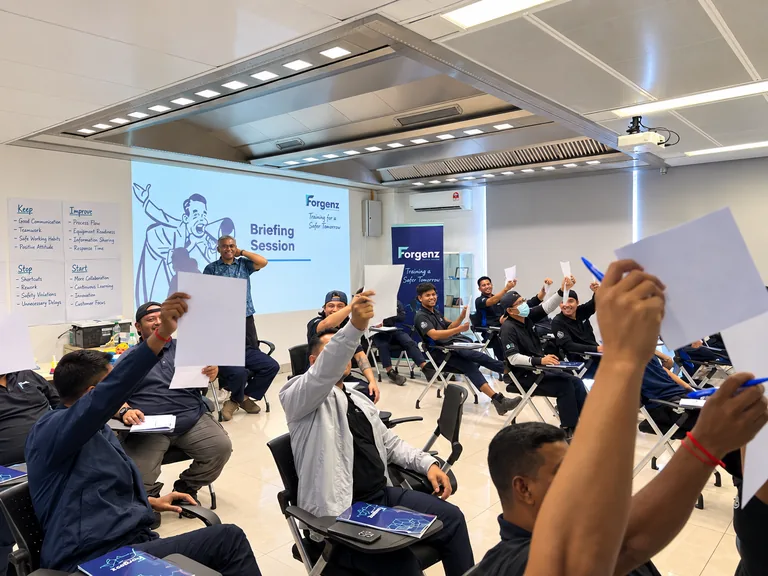
Handling complaints
Complaints are often one of the most challenging parts of customer service.
Customers may be frustrated, disappointed or already emotionally charged when the conversation begins.
A practical complaint-handling process can help employees respond more consistently.
Allow the customer to explain the issue and identify the main concern.
Ask appropriate questions and confirm understanding.
Recognise the customer’s concern without making unnecessary promises.
Explain what can be done, what information is required or what the next step will be.
Take appropriate action within the employee’s authority or refer the matter to the correct person.
Where required, ensure agreed actions are completed and communicated.
Service recovery
Service recovery is about how an organisation responds after a problem, misunderstanding or service failure has already occurred.
Depending on the situation, employees may need to:
The aim is not to guarantee that every customer will be satisfied with the outcome. It is to respond professionally, reduce further confusion and handle the situation as consistently as possible.
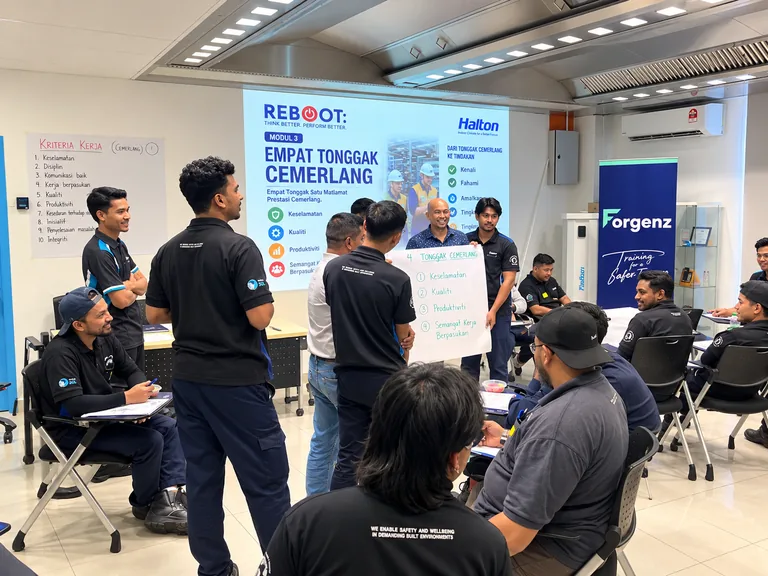
Challenging interactions
Not every customer interaction will be straightforward.
For frontline employees
Frontline employees often represent the organisation during the moments that matter most to customers.
This can be adapted for face-to-face, telephone or other customer interaction environments.
For people managers
Supervisors may need to manage escalated customer issues as well as support employees handling difficult situations.
This helps supervisors support both the customer interaction and the employee responsible for managing it.
Learning approach
Where appropriate, scenarios can be adapted around the types of customer situations participants regularly encounter.
The emphasis is on practical customer-facing situations rather than customer service theory alone.
Programme planning
Customer service requirements vary depending on the organisation, industry and participant responsibilities.
Focus on everyday interactions, enquiries, expectation management and complaints.
Place greater emphasis on follow-up, service recovery and relationship management.
Focus on escalation, consistency, service recovery and coaching customer-facing employees.
Delivery
The format and emphasis can be planned around participant roles, the customer environment, group size and the service situations relevant to the organisation.
FAQ
Customer Service Training helps employees communicate professionally, understand customer needs, manage expectations, handle enquiries and complaints, and respond more consistently when service problems arise.
Yes. The programme can be adapted for employees who interact with customers face to face, by telephone or through other service channels.
Yes. Participants can practise listening, clarifying, acknowledging the concern, explaining next steps, resolving matters within their authority and escalating when needed.
Yes. The programme can address composure, professional language, realistic expectations, appropriate boundaries and escalation in challenging customer situations.
No. Professional customer service does not require employees to accept abusive, threatening or inappropriate behaviour. The programme can address professional boundaries, appropriate escalation and the importance of following the organisation’s applicable procedures for serious or unsafe situations.
Yes. Scenarios and activities can be adapted around the organisation’s customer environment, participant responsibilities and common service situations.
No. Communication Skills Training focuses more broadly on workplace communication, including clarity, listening, questioning, feedback and everyday conversations. Customer Service Training focuses specifically on applying communication and service behaviour in customer-facing situations, including enquiries, expectations, complaints and service recovery.
No. Customer Service Training focuses on the quality and professionalism of customer interactions and service situations. Business Development and Key Account Management focus more on commercial relationships, account development and business growth.
Yes. Supervisor-focused content can include escalated complaints, supporting frontline employees, reviewing service failures, reinforcing standards and improving consistency within the team.
Duration depends on the participant group, programme scope, practical activities and intended learning outcomes. It will be confirmed in the proposal.
Related programmes
Explore a related customer, communication or workplace-development programme.
Explore →RelatedExplore a related customer, communication or workplace-development programme.
Explore →RelatedExplore a related customer, communication or workplace-development programme.
Explore →RelatedExplore a related customer, communication or workplace-development programme.
Explore →RelatedExplore a related customer, communication or workplace-development programme.
Explore →RelatedExplore a related customer, communication or workplace-development programme.
Explore →Eligible employers can apply to use their HRD Corp levy for applicable programmes, subject to HRD Corp requirements.
Tell us about your customer-facing team, service environment and the situations they need to handle more effectively.
We can structure the programme around your customer environment, workforce and organisational requirements.