
Structure
Decide where information belongs and how it is organised.
Corporate programme
SharePoint becomes useful when employees understand where information belongs, how it should be organised and how teams are expected to collaborate.
The platform is more than a shared folder.
This programme helps participants use SharePoint as a practical workplace information platform.
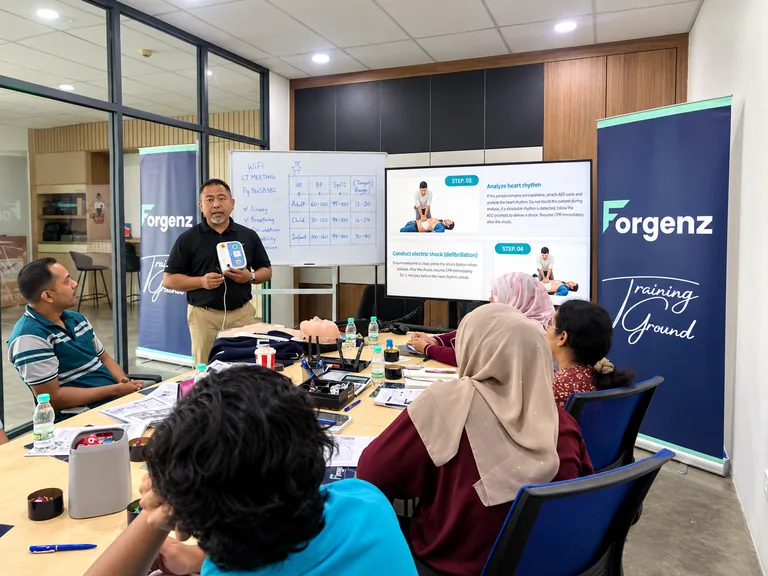
Programme overview
Employees may need to navigate sites, work with document libraries, co-author files, use version history and find information more efficiently.
Some groups also need a better understanding of metadata, lists, permissions and site-owner responsibilities.
The scope should reflect the organisation's SharePoint environment and user roles rather than becoming general tenant administration.
Final programme details, duration and activities will be confirmed in the proposal.
Why it matters
Technology alone does not create organised information. Teams need shared expectations for structure, ownership, access, versioning and search.
Information should have a clear home and purpose.
Co-authoring and version history can reduce duplicate files and confusion.
Metadata, naming and search affect whether employees can locate information.
Permissions and ownership need suitable organisational rules.
Learning outcomes
Programme content
Final emphasis may be adapted according to participant responsibilities and organisational needs.
Understand its relationship with Teams, OneDrive and other tools.
Navigate and understand site purpose and ownership.
Create, upload, organise, share and collaborate on files.
Compare structural approaches and their effect on finding information.
Work together in a controlled shared document.
Review earlier versions and reduce duplicate-file confusion.
Use search, filters and views to locate information.
Introduce structured tracking where relevant.
Understand basic access and responsibility boundaries.
Connect user behaviour with naming, ownership, retention and organisational rules.
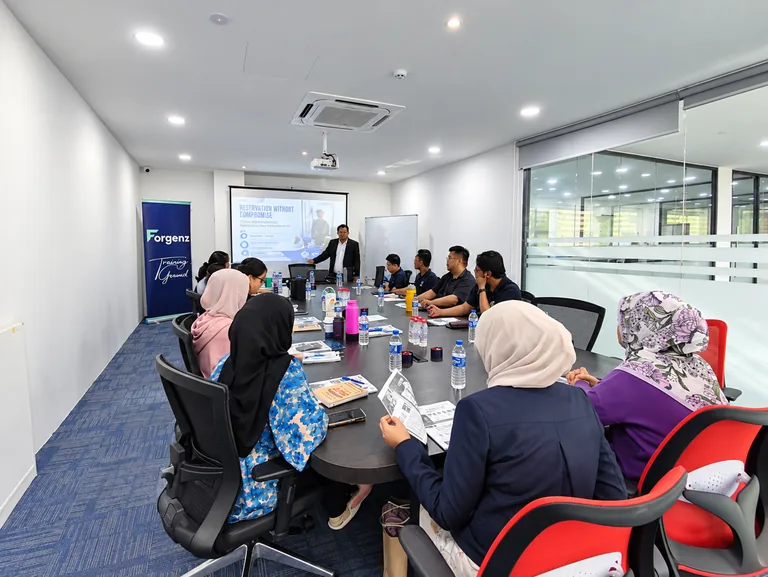
Workplace application
Learning approach
Participants navigate, organise and collaborate using guided exercises suited to their user role.
Programme planning
The programme should reflect the actual Microsoft 365 environment, user roles and governance rules.
Focus on navigation, document libraries, collaboration, versions and search.
Add information structure, views, permissions and ownership responsibilities.
Clarify how Teams and SharePoint work together in everyday collaboration.
YOUR NEEDS SHAPE THE PROGRAMME.
Request a proposal →Delivery
Hands-on delivery should use an appropriate training environment and reflect the features and permissions available to participants.
FAQ
End users, site owners, document owners and teams that manage shared workplace information.
Yes. Libraries, collaboration, versions, views and search are key areas.
SharePoint Lists can be introduced where relevant to participant responsibilities and the organisation's SharePoint environment. The level of detail depends on whether participants are everyday users, coordinators or site owners.
Yes. Participants can compare both approaches according to their environment.
The programme can be delivered around SharePoint Online where that is the organisation's environment. The exact platform, site structure, available features and user roles should be confirmed during programme planning.
No. They are connected but serve different collaboration and information-management purposes.
Basic permission concepts and responsibility boundaries can be included.
Yes. Site owners may require additional emphasis on information structure, views, permissions, ownership and local governance while keeping the programme within appropriate site-owner responsibilities rather than tenant administration.
No. General workplace training should not be presented as tenant administration.
Suitable screenshots or non-confidential examples may inform planning.
Hands-on delivery normally requires suitable devices and access. Final arrangements are confirmed in the proposal.
Duration depends on user roles, environment and practical depth.
Eligible employers can apply to use their HRD Corp levy for applicable programmes, subject to HRD Corp requirements.